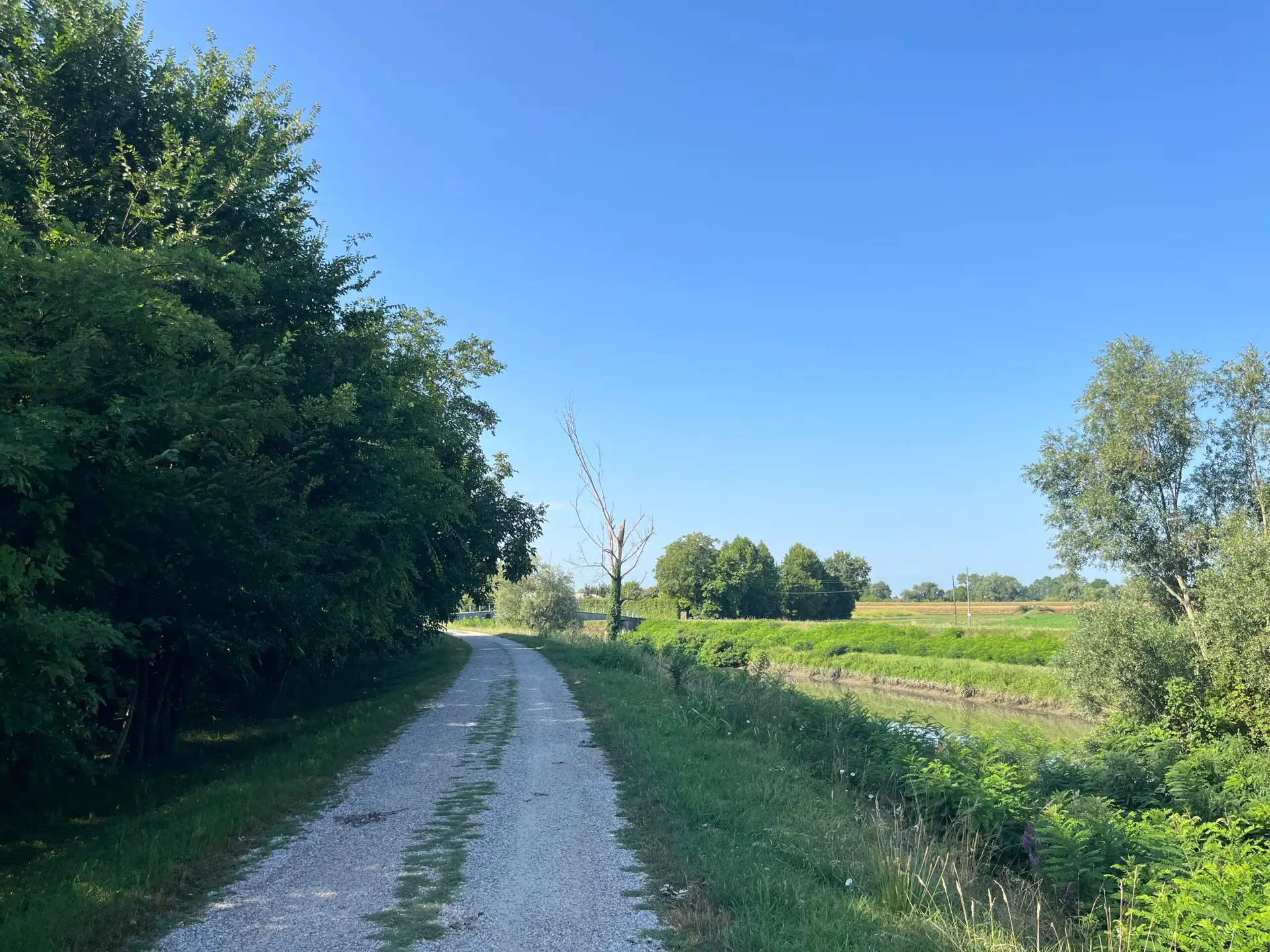
One morning in the Venetian countryside
How is a wooden house built? Many people imagine that it all starts in front of a computer, with a floor plan or design software. In reality, the design of a wooden house begins much earlier: with a walk around the site, observing the landscape, the sun, and the wind, and listening to the people who will live in that house.
“Every piece of land tells a story. Our job is to learn to listen to that story before we even begin to design.”
The morning had just begun when I arrived in a small hamlet in the countryside between San Stino di Livenza and eastern Veneto. It was just past 8:30, and before my meeting with the clients, I decided to take a short walk along the canal that runs through the village.
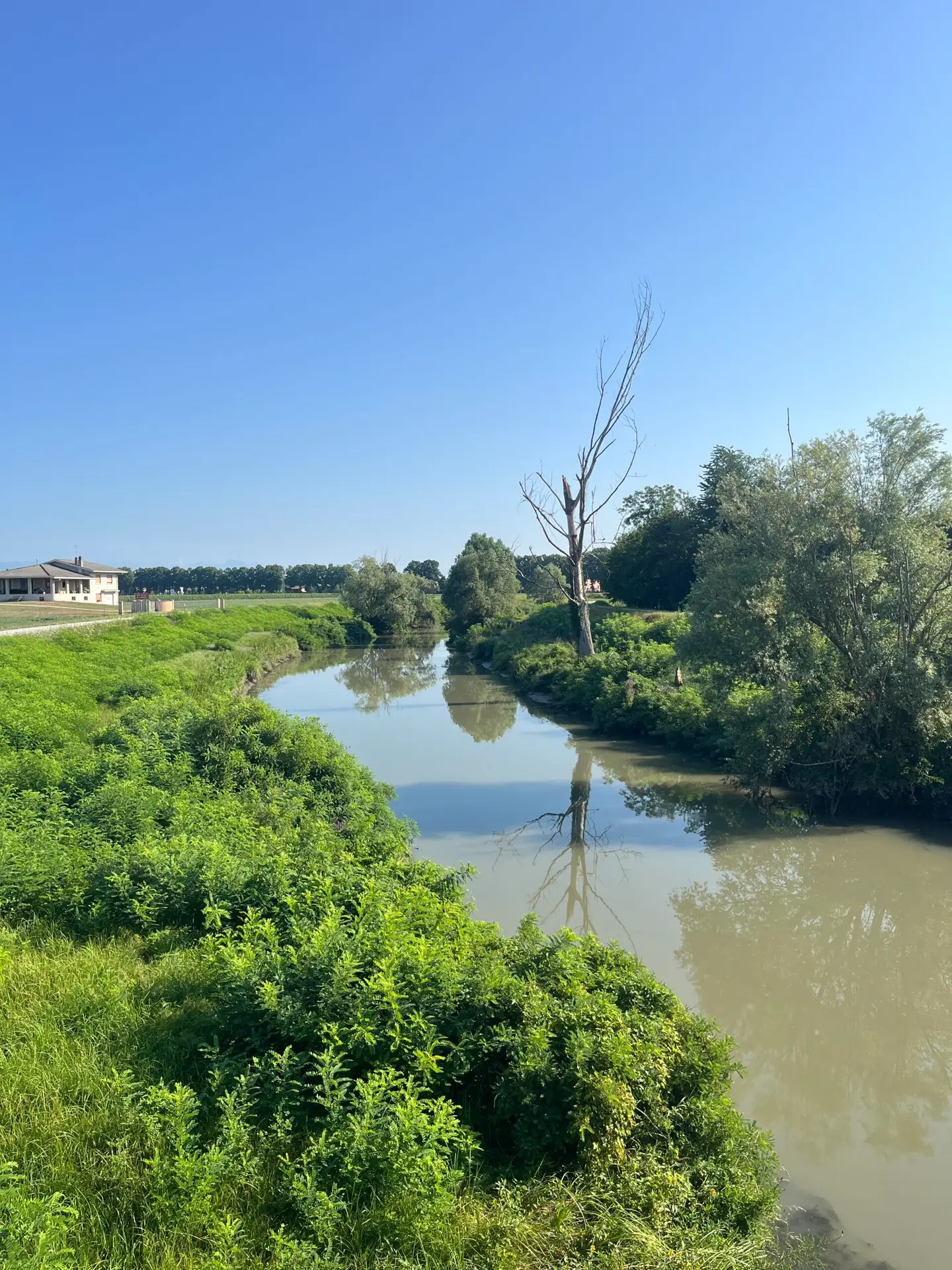
Many people were jogging or simply walking along the embankment. The vegetable gardens were in the midst of summer: tomatoes, zucchini, and neat rows of plants spoke to a countryside that was still part of daily life. The houses, almost all of them modest in size, faced the street with small, well-tended gardens.
It’s one of those places where time seems to pass at a different pace.
Every home is shaped by its location
“It’s not the architect who decides the shape of the house. It’s the plot of land that suggests the direction to take.”
There is still an old brick house on the lot, built many decades ago right next to the road.
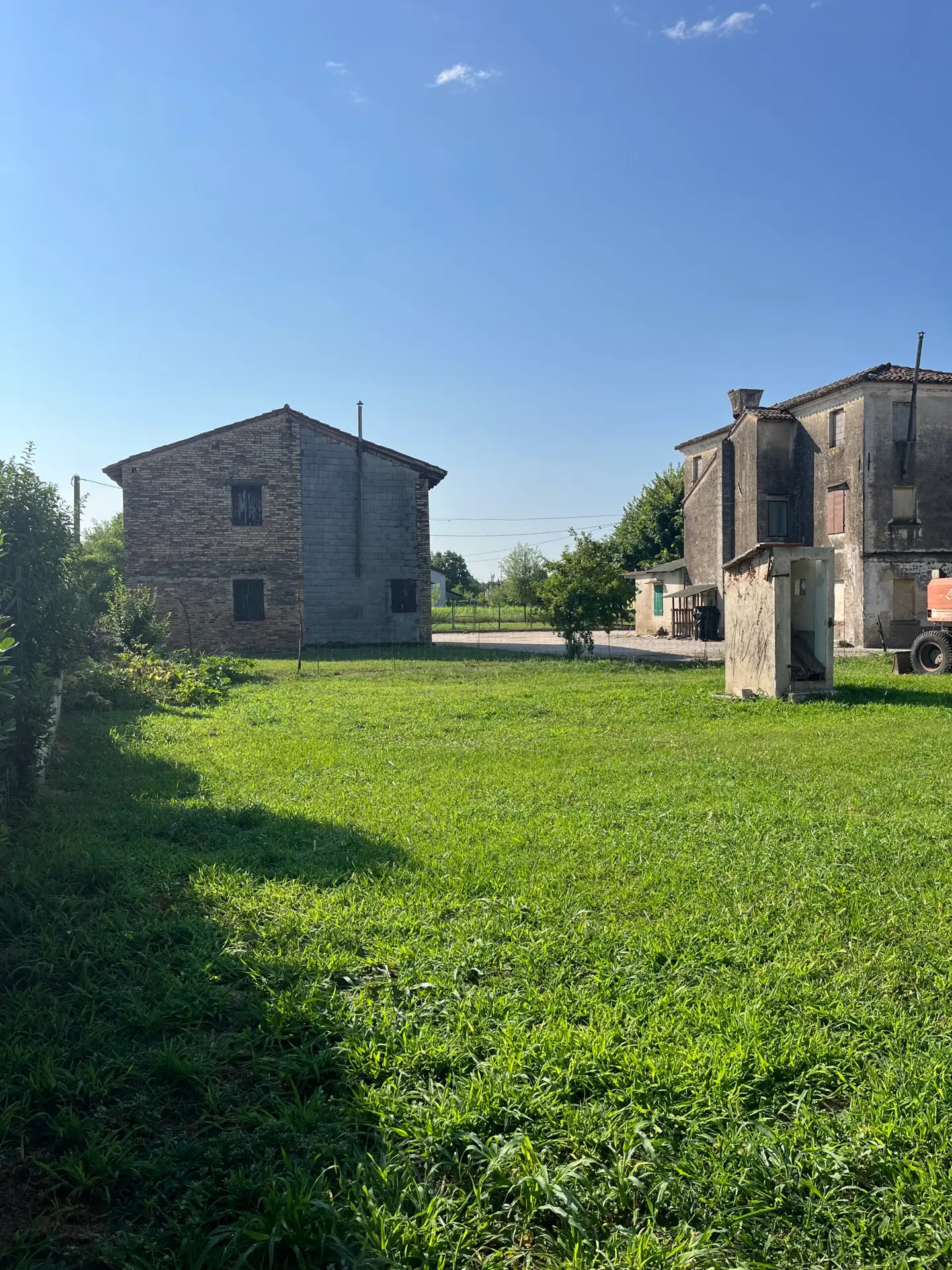
I would have liked to be able to preserve it. It still had the simple, authentic character of rural Venetian homes. Unfortunately, the family’s needs and the condition of the building make demolition and reconstruction unavoidable.
As a designer, it’s a decision I never take lightly.
The site inspection is the first project
Together, we measured the plot of land using a simple measuring tape.
You don’t need sophisticated tools to begin to understand a place. You just need to observe it.
We checked the distances from the property lines, the location of nearby homes, the sun’s path throughout the day, and the best and worst views.
This is information that no satellite photograph can fully convey.
Designing a wooden house isn’t just about defining walls and roofs; it’s about understanding the site where it will be built.
Drawing means, first and foremost, listening
“A project isn’t conceived in front of a computer. It’s conceived by talking to people.”
After that, we went to their office, which was nearby.
Using photographs from our construction sites, we began discussing how a wooden house is built.
- Foundations.
- Riser curbs.
- Walls.
- Ventilation.
- Systems.
Each image became an opportunity to answer a question.
The couple was already quite familiar with the world of wooden homes because some of their friends had already built homes using this technology.
The conversation quickly turned into an exchange of ideas rather than a simple sales presentation.
Technology should improve our lives
A very practical issue also came up during the conversation.
The woman said she often suffered from neck pain because of the air conditioning at her workplace.
We both smiled when I explained to her that a properly designed system distributes comfort without creating annoying direct air currents.
Even these small details help us understand that a well-designed home isn’t just about materials, but above all about everyday well-being.
The plot had already been oriented
“Sometimes innovation means respecting the wisdom of those who came before us.”
We also reviewed a preliminary design that had been prepared earlier.
It wasn’t a matter of taste.
That proposal simply seemed to ignore the location.
The living room looked out onto the neighbor’s vegetable garden instead of the private south-facing garden.
It was missing a porch that was actually livable.
The house had been rotated for no compelling reason.
Looking at the surroundings, however, it was clear that all the houses in the area faced the same direction.
The main facade faces the street.
The garden faces south.
Those are the best views.
Of course, every project is different.
But when an entire country has been building according to the same principles for decades, it’s always worth asking whether that choice is based on a deep understanding of the place.
Every wooden house is the result of a balance between the family’s needs, the characteristics of the land, and the quality of the surrounding environment.
Constraints, too, shape design
- Distances from the borders.
- The ten meters between the windowed walls.
- The quotas set by the Flood Risk Management Plan.
- Sun exposure.
- Privacy.
Many people view these rules as mere restrictions.
I consider them an integral part of the project.
Every constraint becomes an opportunity to find a better solution.
The First Sketches
“The first home isn’t the one that’s built. It’s the one that takes shape on a blank sheet of paper.”
During meetings, the table is almost always covered with papers.
These are not working drawings.
They’re sketches.
Arrows.
Quotes.
Small plants.
Sections.
Notes.
They’re the easiest way to think things through together.
At the end of the meeting, those papers almost always stay with the clients.
I like to leave them there.
Not because they have any technical value, but because they tell the story of the journey we’ve taken together.
For many people, they represent their first tangible memory of their future home.
Before the project
When I left, the house hadn’t been designed yet.
And yet something had already come into being.
We had figured out how the land wanted to be lived on.
We had begun to organize our thoughts.
We had turned a set of desires into a possible path forward.
And that might just be my favorite part of my job.
Because the place always comes before the project.
And even before the house, there’s always a story to hear.
“Every home is different, because every family is different. But all the best homes have one thing in common: they are designed with an understanding of the place where they will be built.”
Stefano Monti – Engineer
Every week I share a design experience, because I believe that a home doesn’t start with concrete or wood, but with an idea, a place, and a family.